Sources before superlatives
We prefer botanical institutions, local operators, original research and the authorities responsible for a record. Secondary sources are identified. A claim repeated across websites does not become an independent measurement.
Disagreement stays visible
We retain incompatible figures with their units, source dates and methods. A historic park’s land area is not a tree’s canopy. Traditional age is not a measured germination date. A record-entry date is not silently relabelled a survey date.
Species are not interchangeable
Evidence about Ficus microcarpa is not automatically applied to F. benghalensis. That distinction matters for identification, pollination, invasive status, research and toxicity.
Review and attribution
Pages display the source-review date. It changes when content is actually reviewed, not simply when the site rebuilds. This first edition has no claimed independent expert review. Future specialist reviews will name the reviewer and their role only with their agreement.
Images and illustration
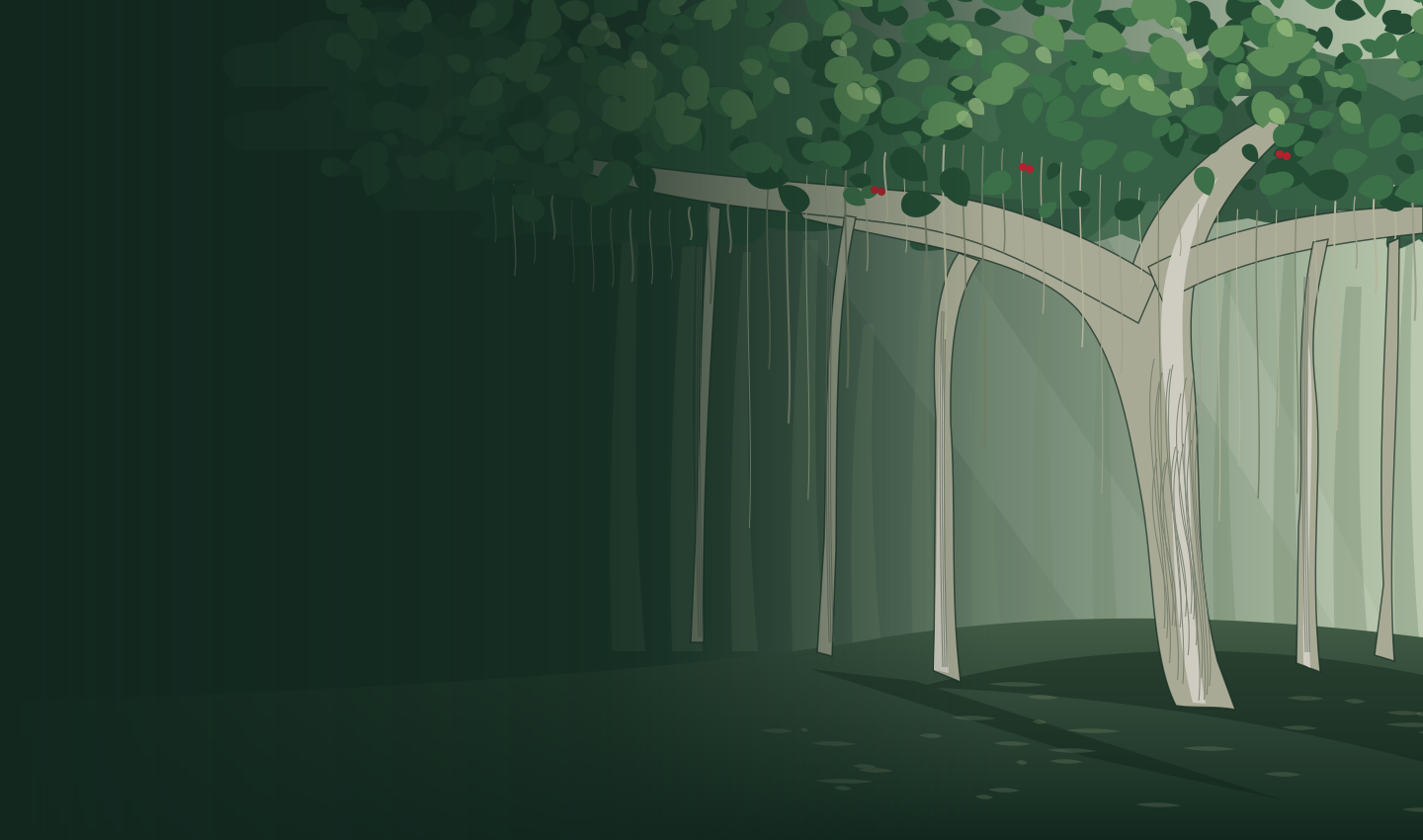
Real photographs are credited by author, licence and date. The homepage is an original procedural illustration, not a photograph of a named tree. Leaf plates and teaching diagrams are labelled schematic.
Changing access and cultural claims
Visitor access is dated and qualified. Check the site operator before travelling. Religious stories are attributed to their traditions; future ritual dates are not guessed from previous years.
Commercial independence
No ads or affiliate links are enabled in this edition. Existing tree-business pages remain separate destinations in the navigation. Corrections are recorded openly.